Mycos
Bridging biological growth and additive manufacturing
THE PROBLEM
An agricultural waste problem in Yunnan, China became a design prompt.
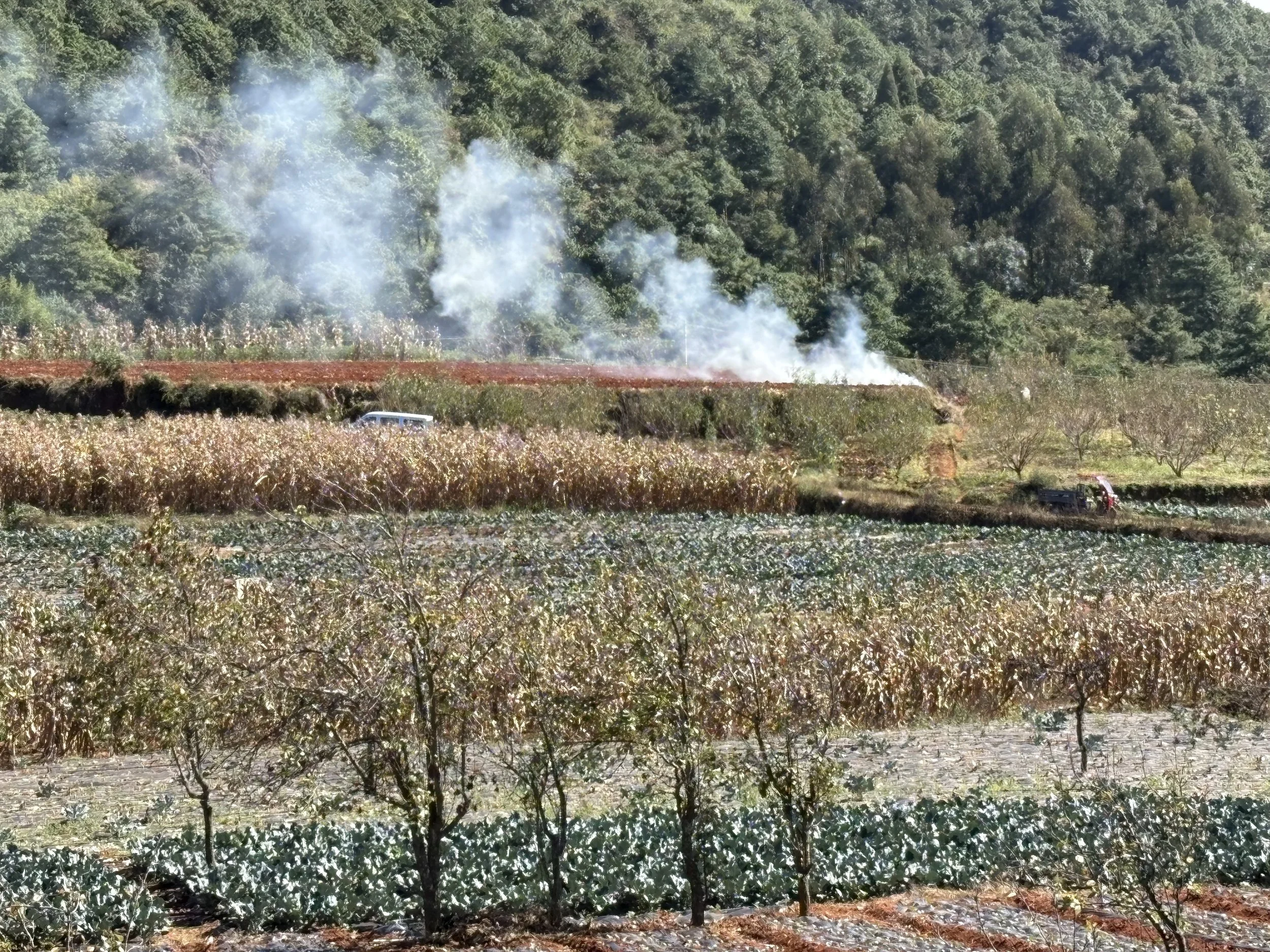
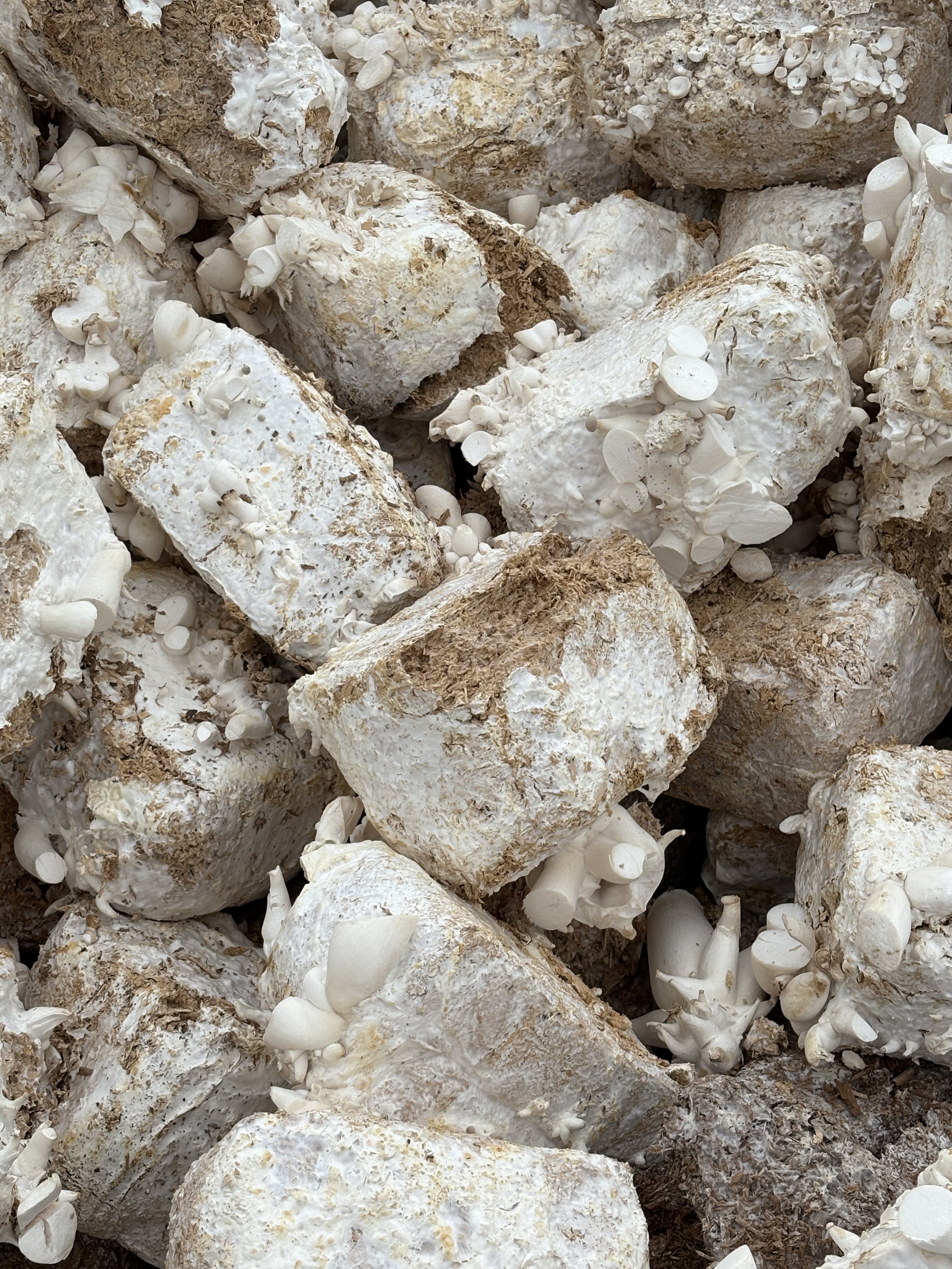
Each year, mushroom farms in China’s Yunnan province burn their spent substrate (the agricultural byproduct left after harvest), releasing carcinogens into the air. Initiatives like MycoHab and Ecovative have begun asking whether that spent substrate could be used to a more productive end. Our project, Mycos, was born from the same question: what happens when agricultural waste meets designed form?
THE IDEA
Printing with mycelium to explore the artistic and structural possibilities of living materials.
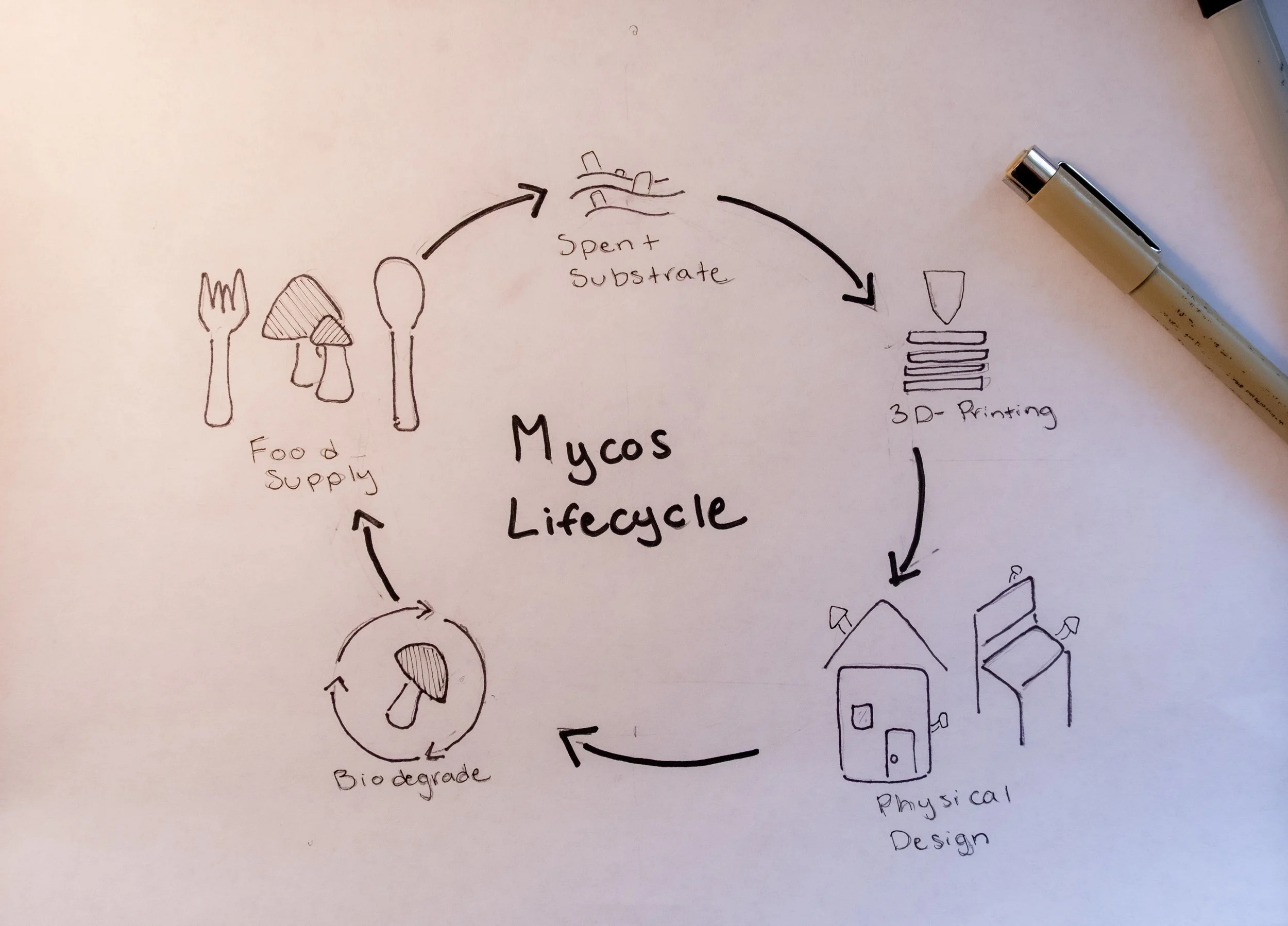
Mycos was developed as part of UC Davis’ Biodesign course, in collaboration with the Yunnan School of the Arts in China. Working under Professor Christina Cogdell (one of the founders of the biodesign field) our cohort of 25 explored how local biological knowledge and emerging fabrication technology might intersect. My project focused specifically on combining 3D printing with living mycelium substrate for use in physical product design and architecture.
FOUNDATION
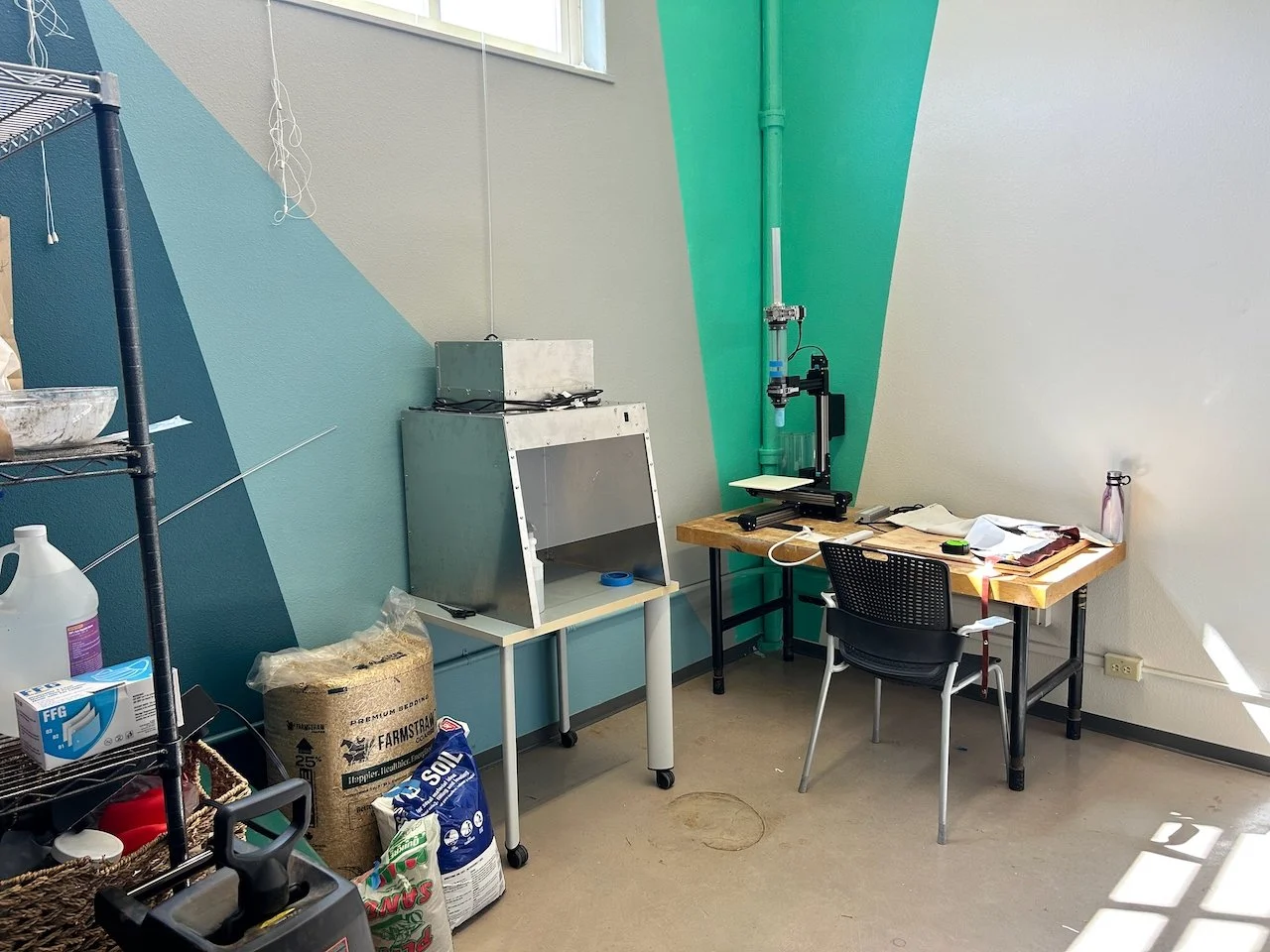
UC Davis didn’t have a biofabrication lab. We made one.
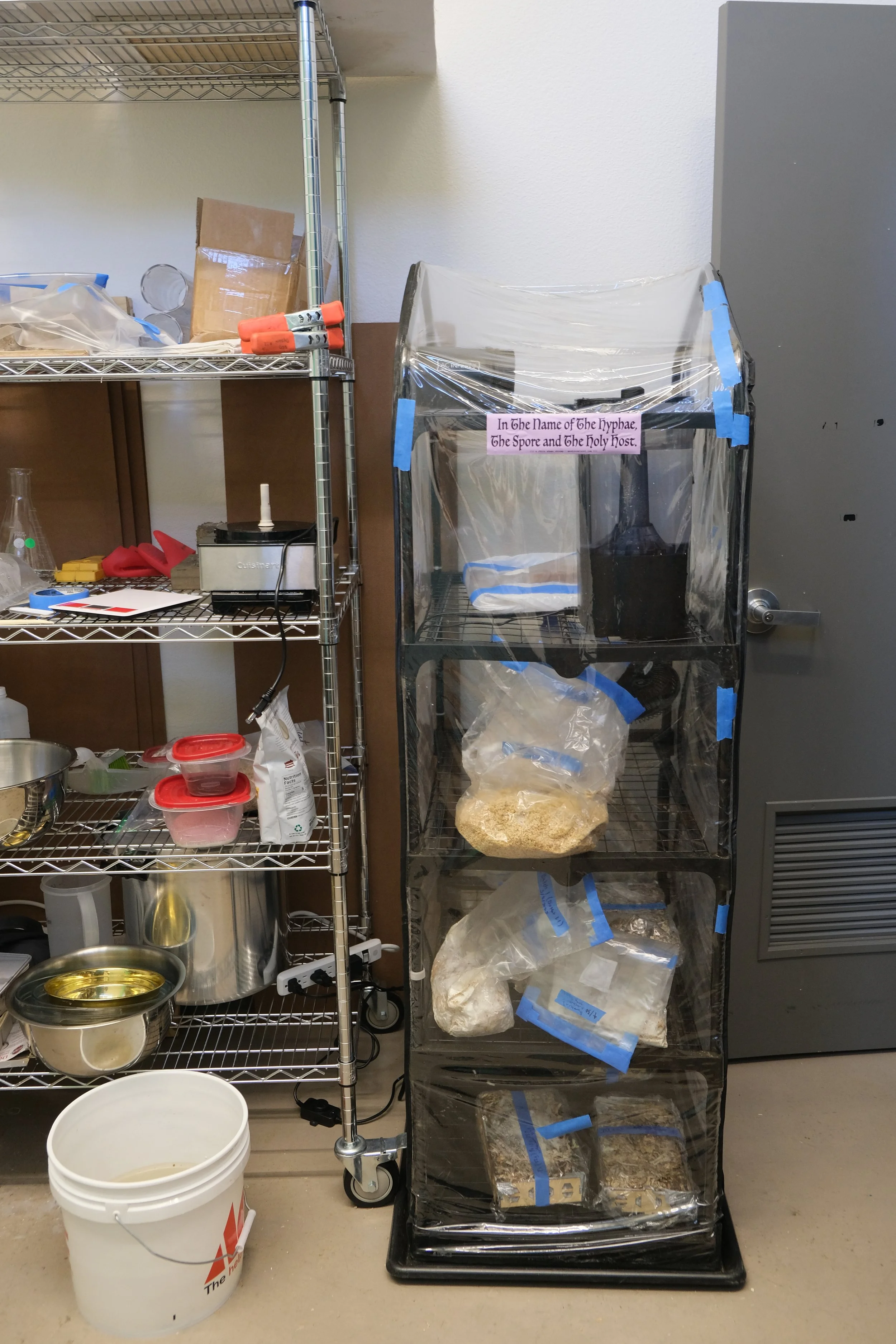
There was no established workflow to follow. Professor Cogdell, we set up UC Davis’ first biofabrication lab from scratch; sourcing equipment, establishing sterile protocols, and commissioning a brand new clay 3D printer that had never been used for organic materials. The entire environment was operational within a month. Building the lab was the first design problem.
EXPLORATION
Designing with living materials means designing for failure.
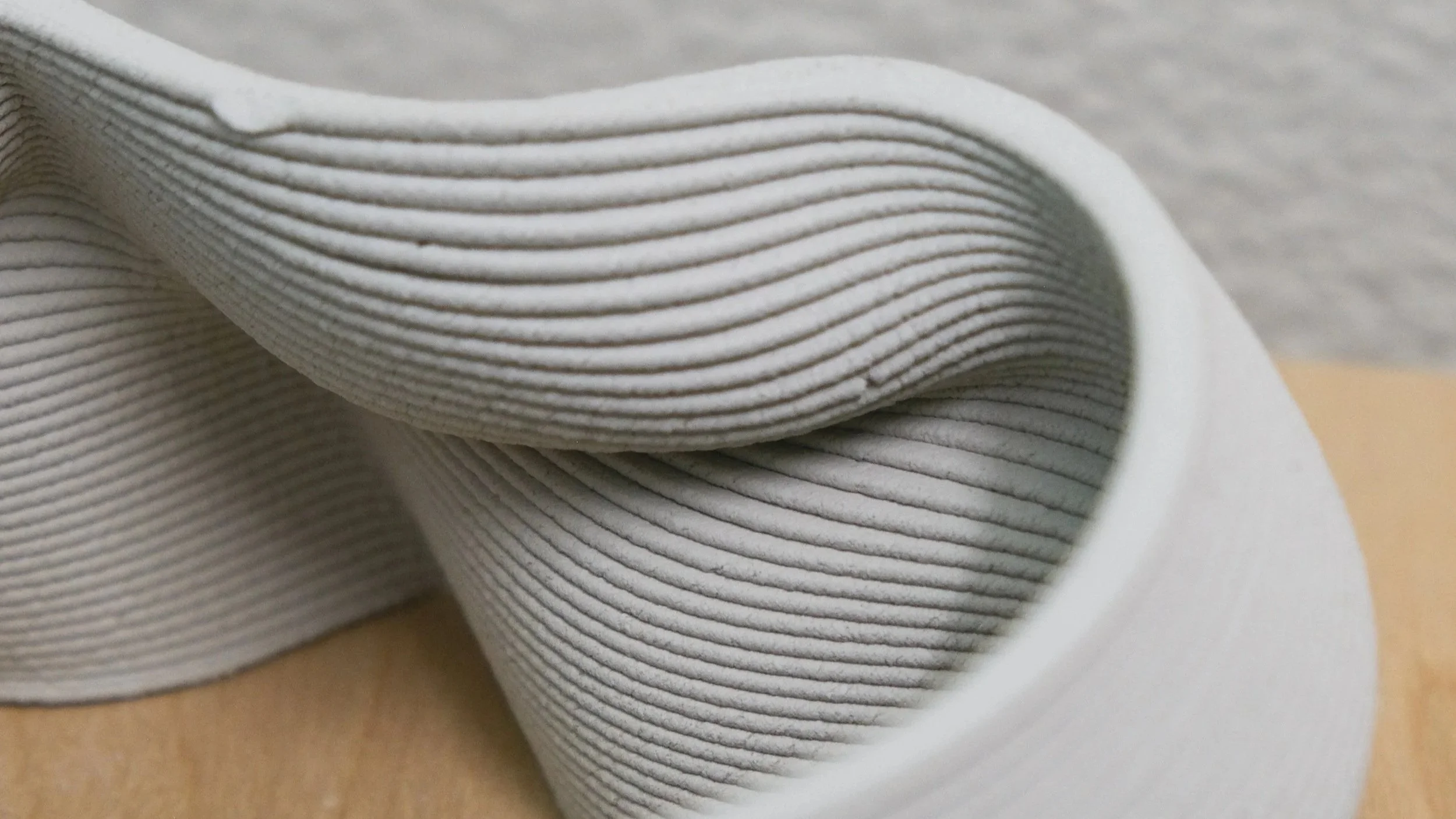
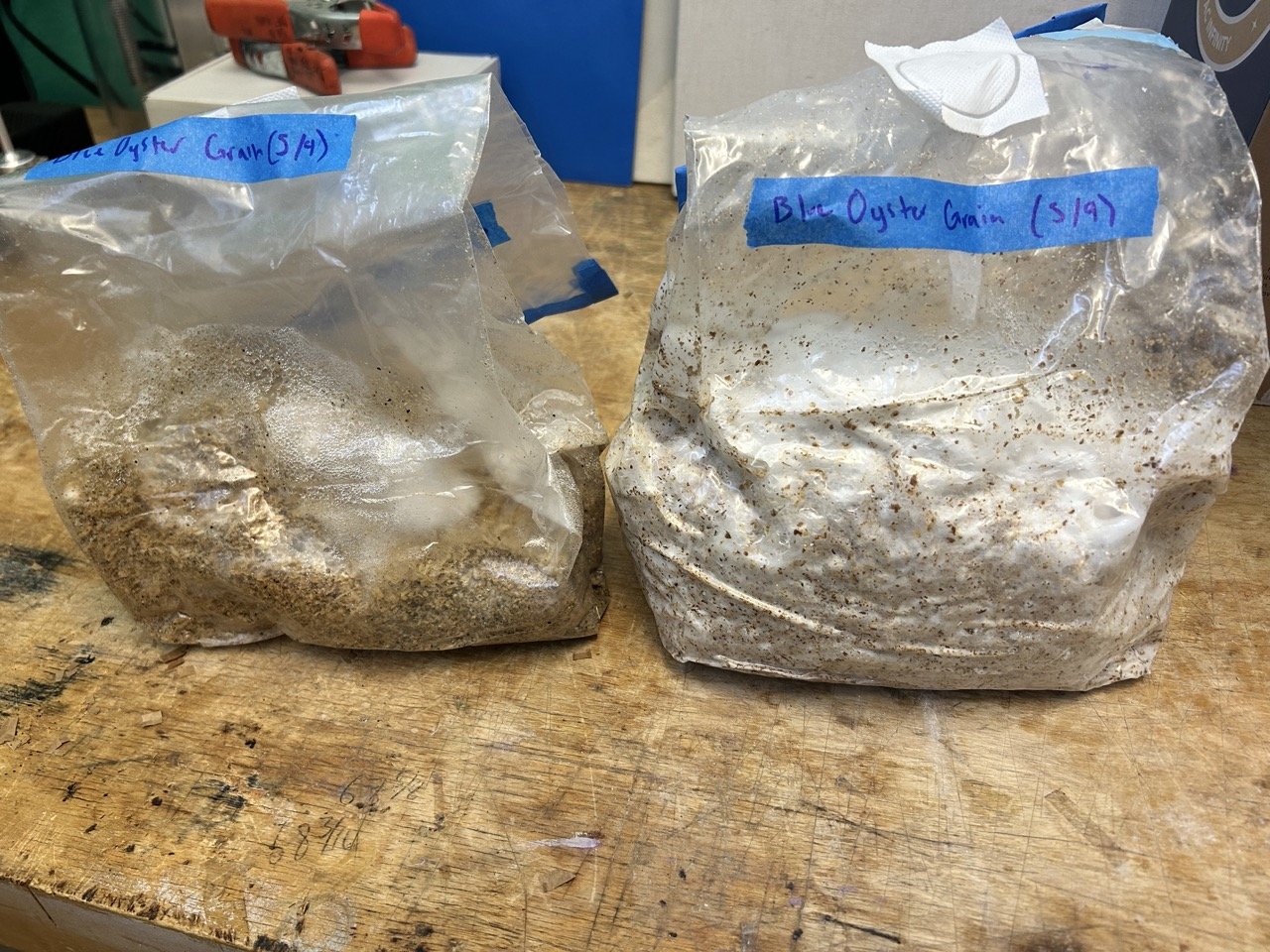
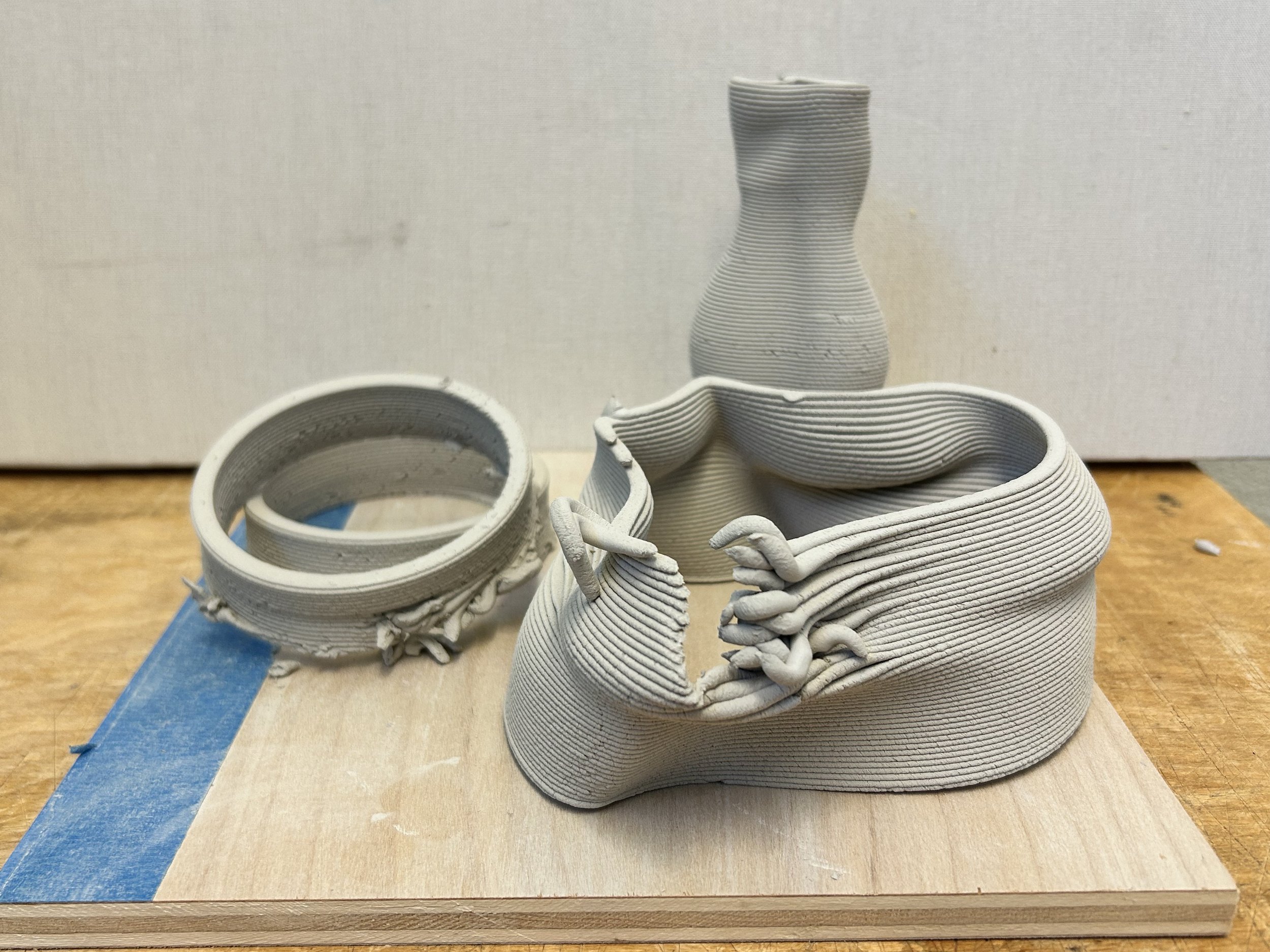
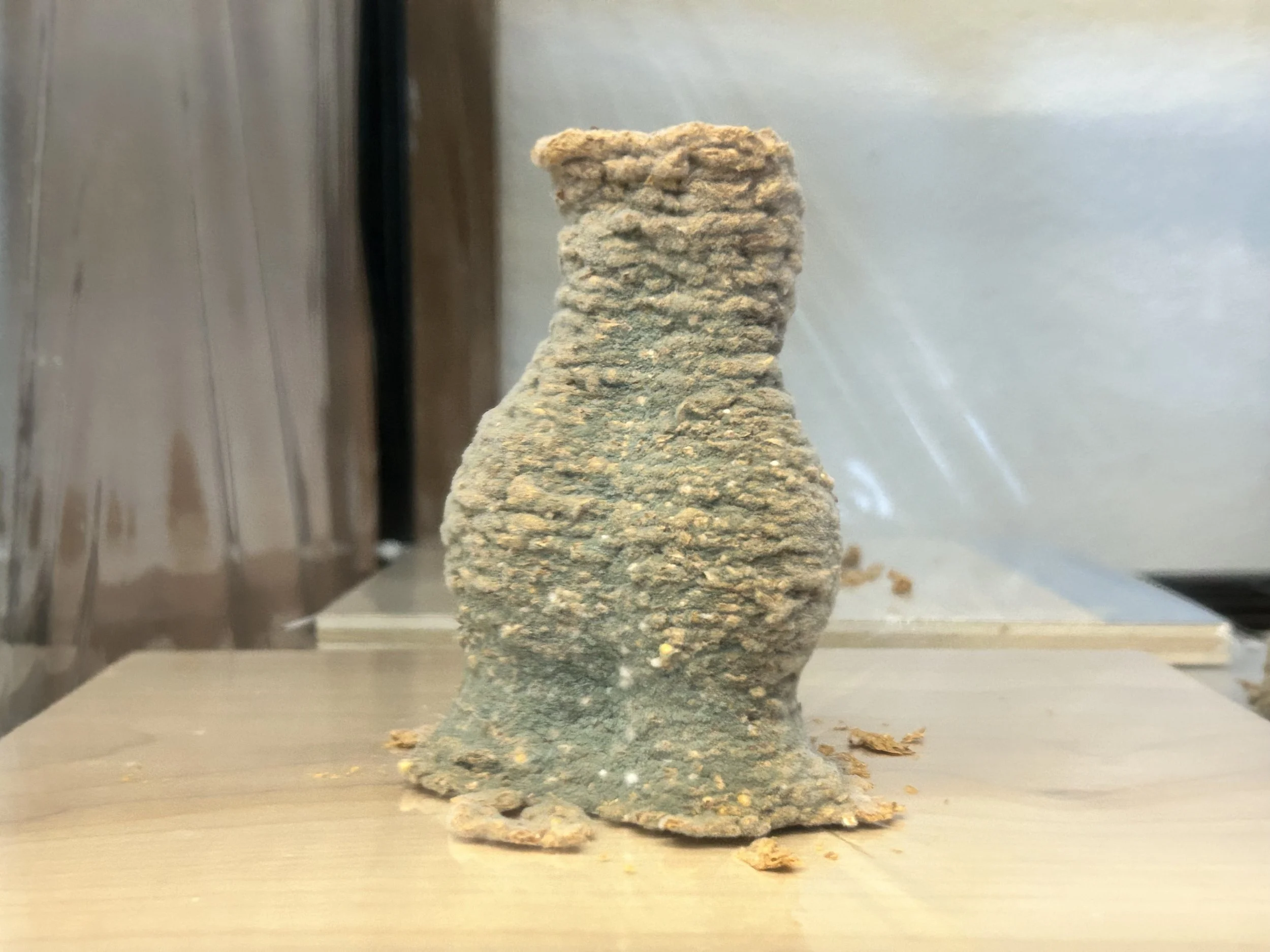
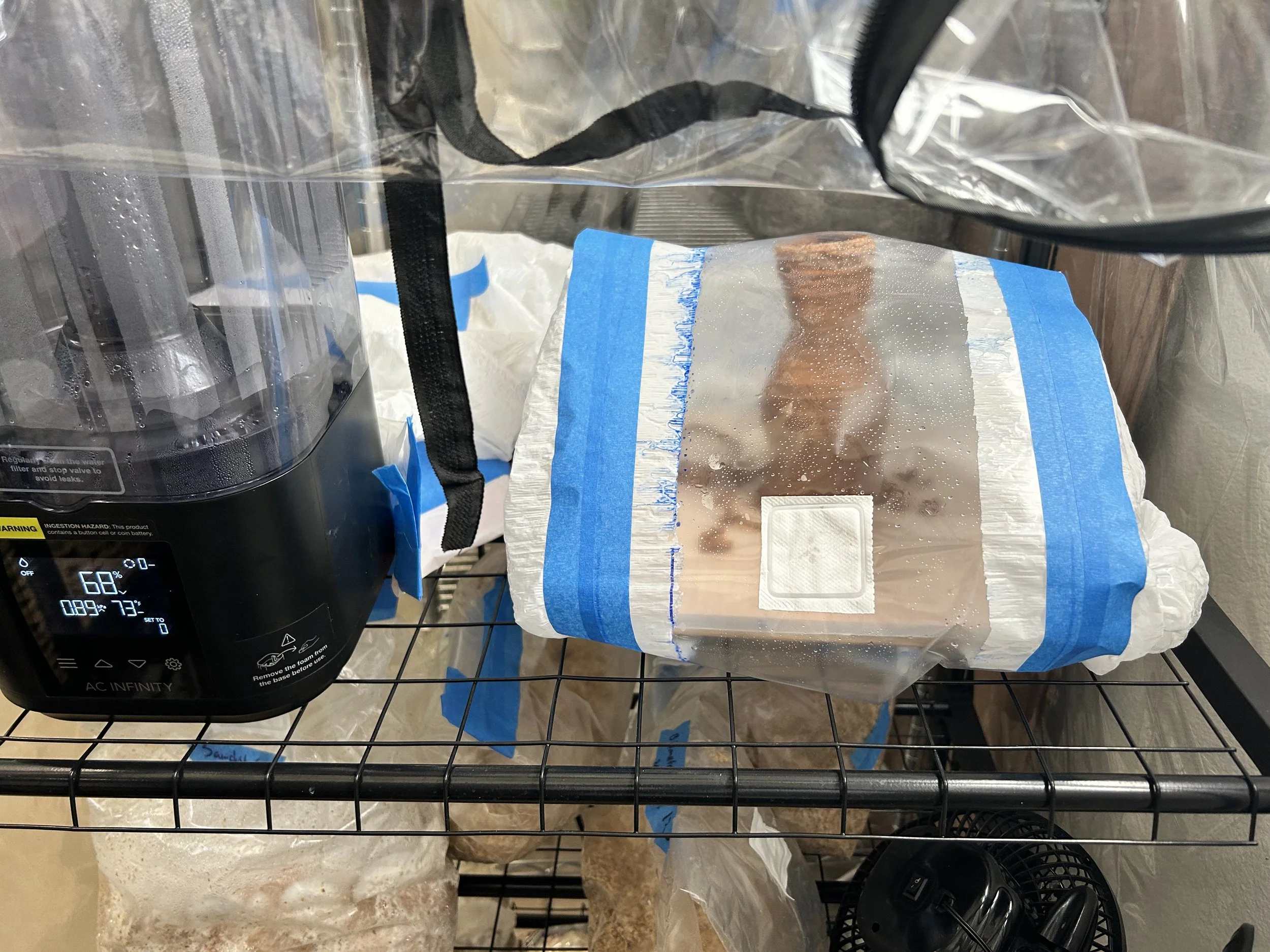
We began printing with clay to understand the printer’s behavior before introducing biology into the equation. Meanwhile, mycelium colonized its substrate in controlled conditions nearby. Early trials with the live material faced frequent contamination, an unavoidable reality when your medium is alive and reactive.
TESTING
Grind up, load, extrude, wait. Repeat until it works.
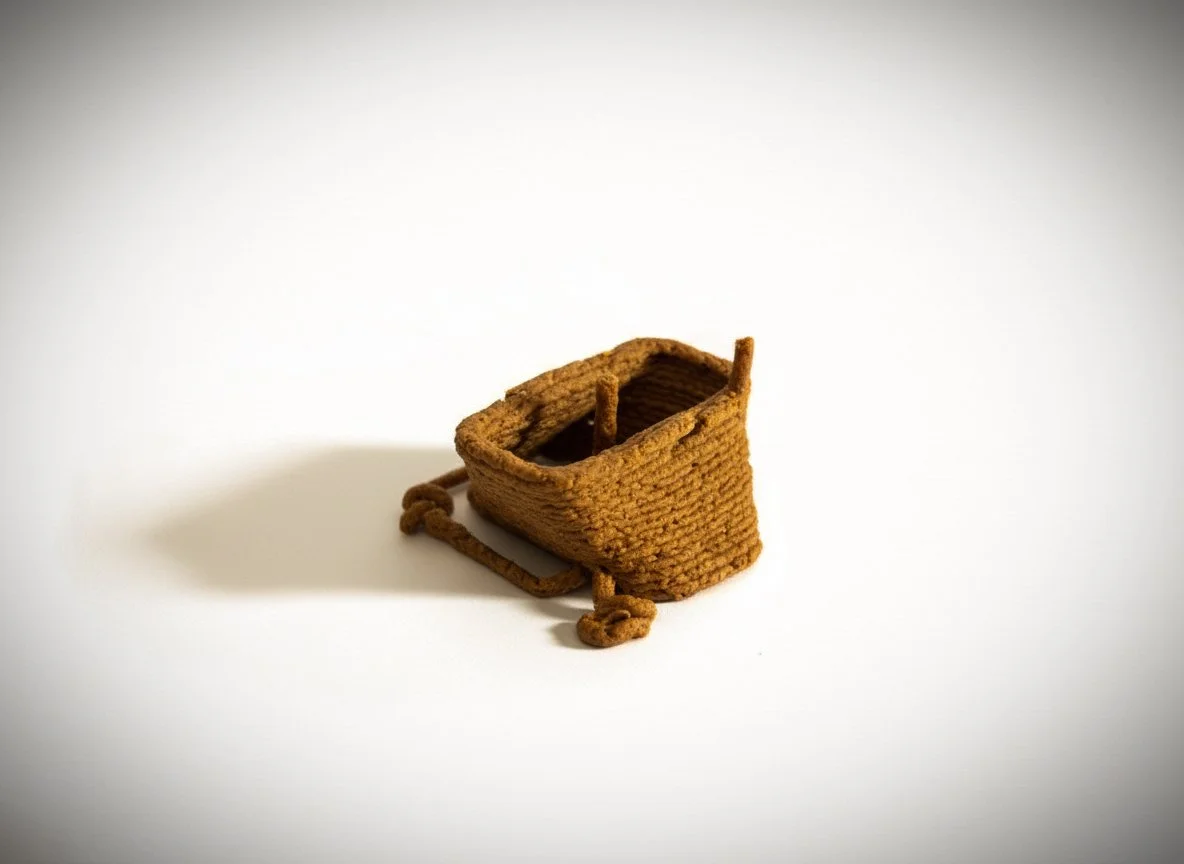
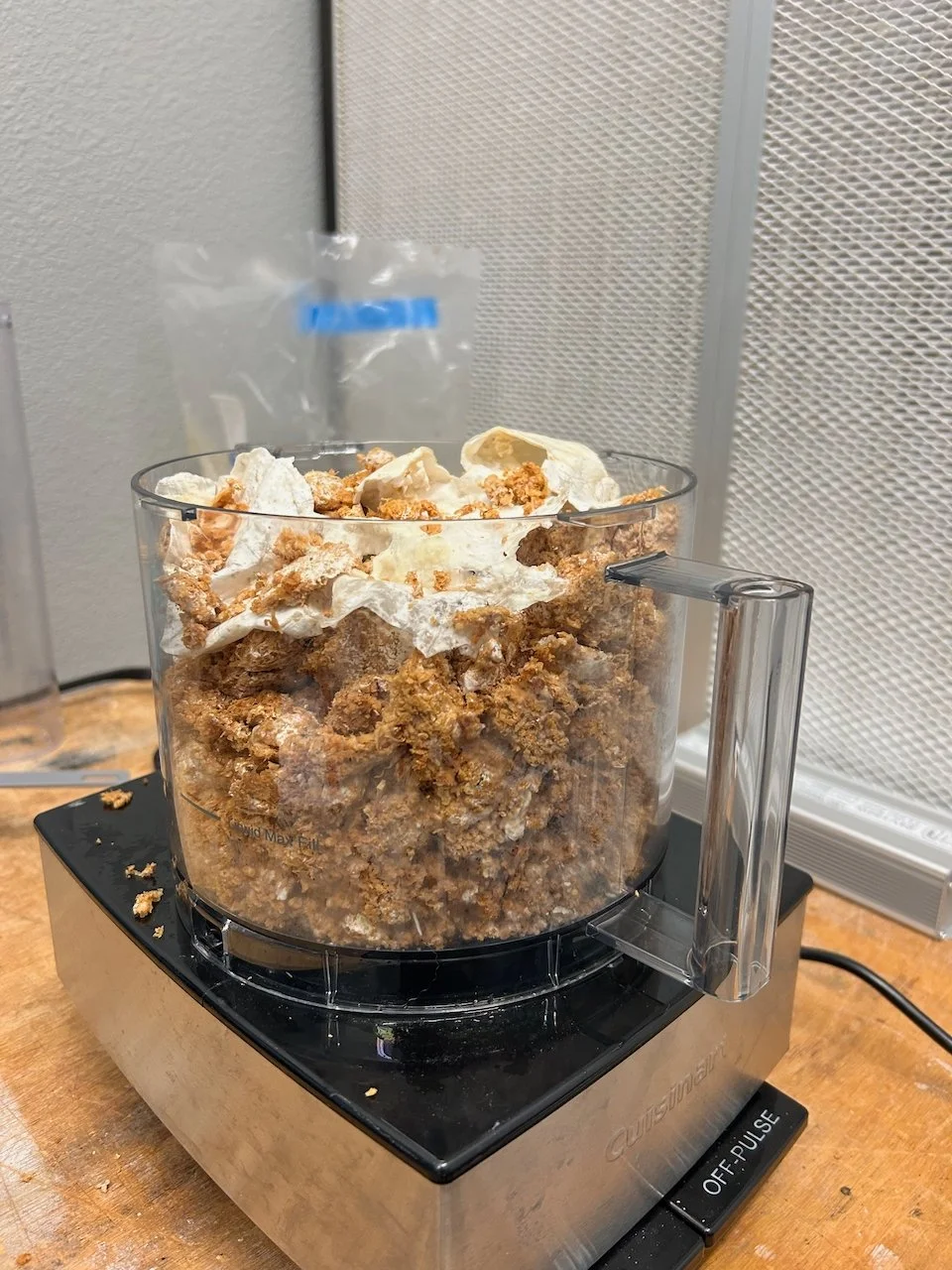
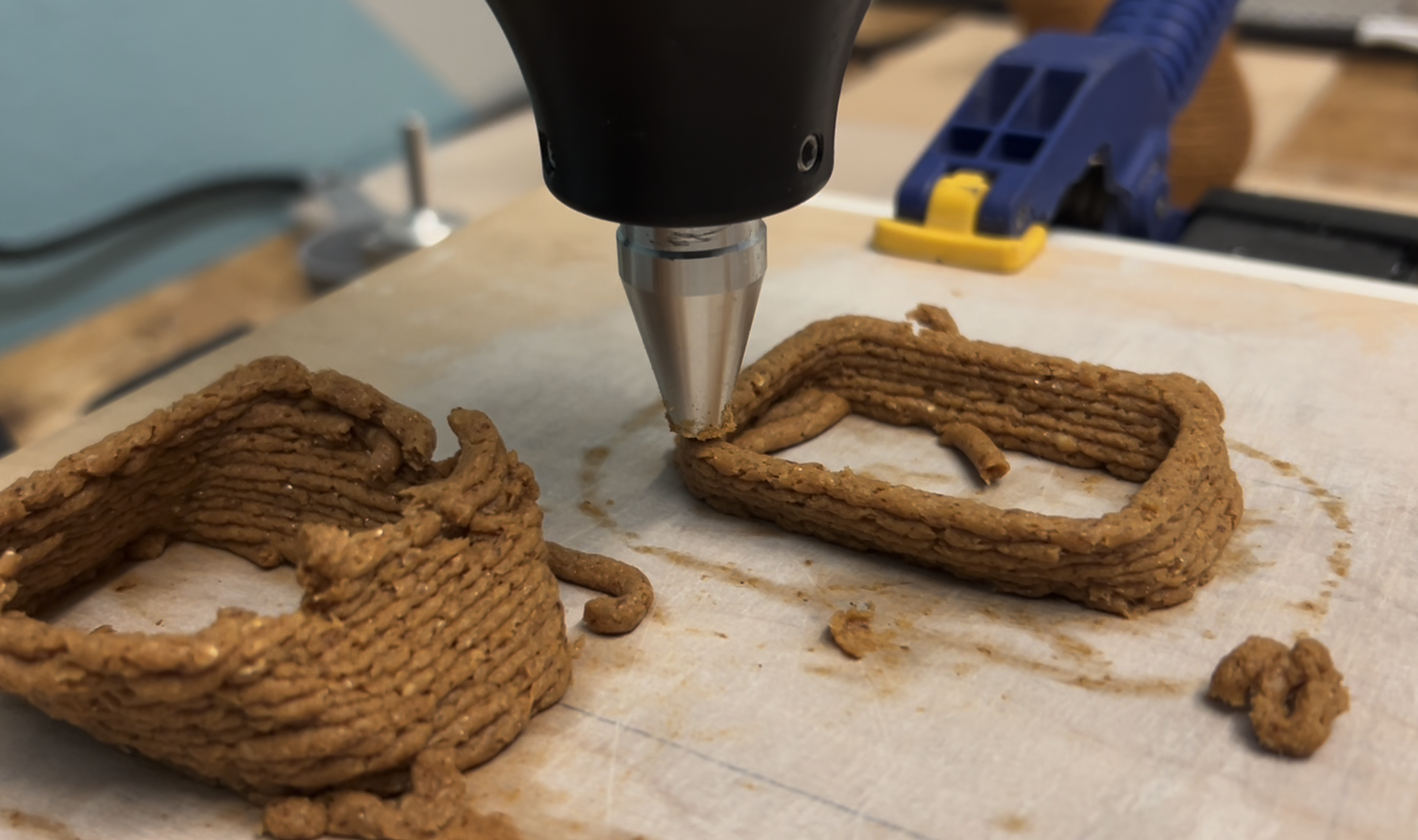
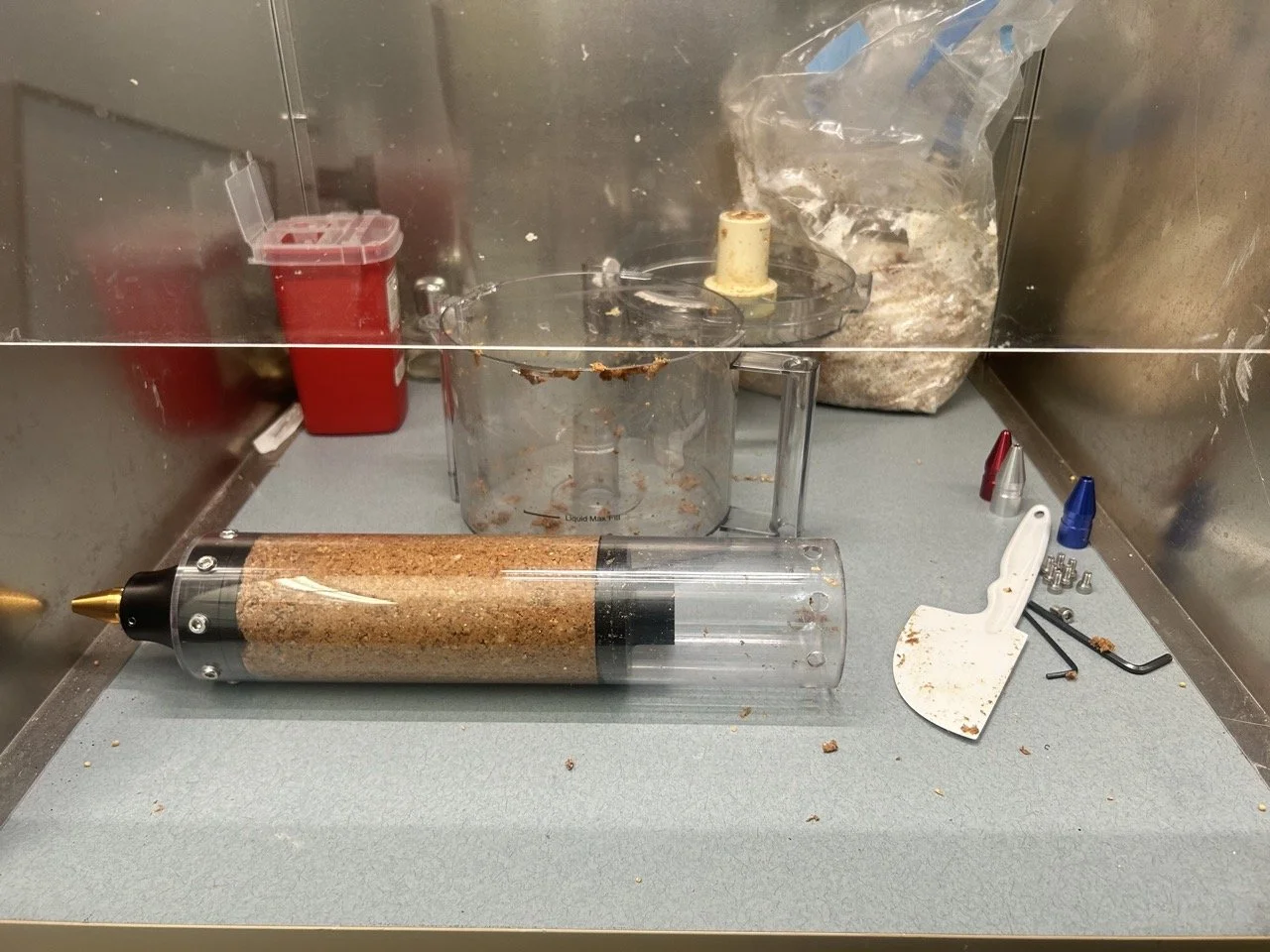
Once fully colonized, the substrate was processed into a printable paste and hand-loaded into the printer for extrusion. The process was iterative and hands-on by necessity. Each print provided a fresh chance to learn from the last. Most prints were lost to contamination or structural failure.
After weeks of thankless work, our efforts were rewarded.
THE WORK
One fully colonized vessel: proof of concept, and precedent for further exploration.
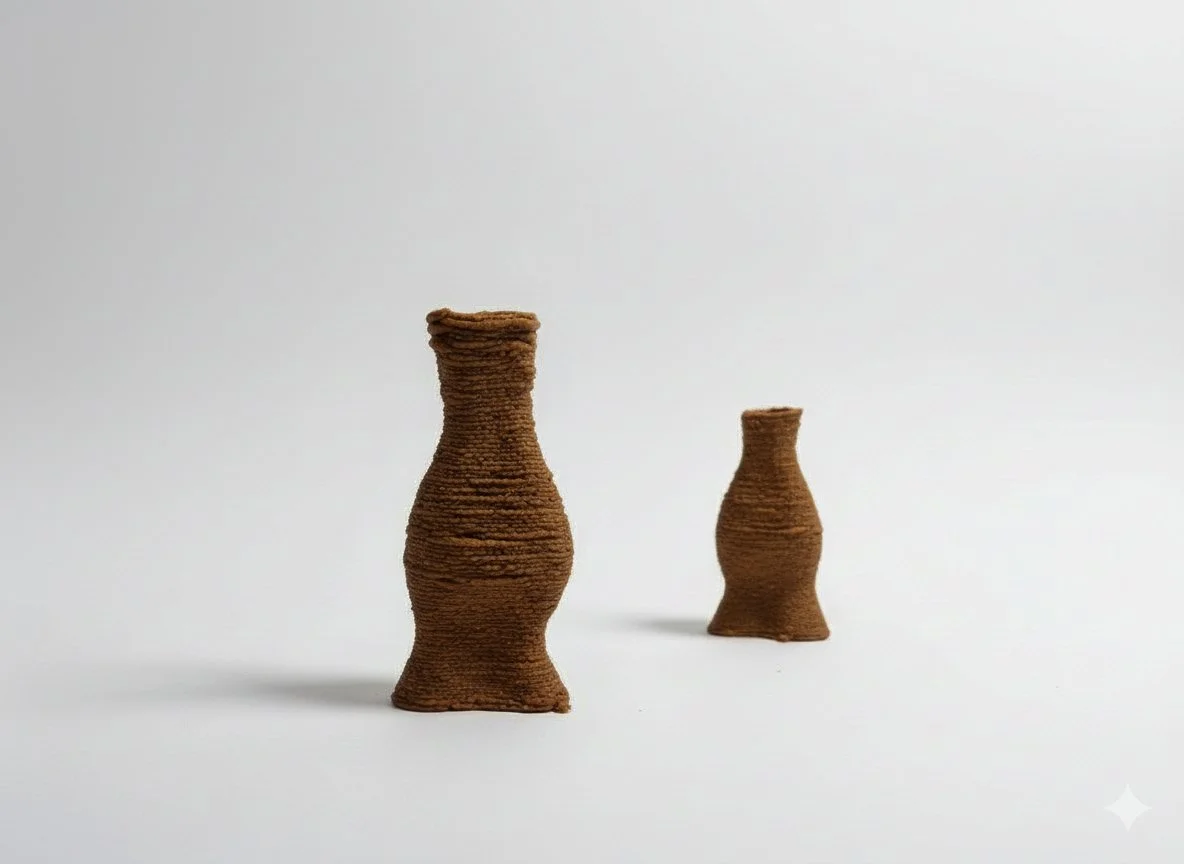
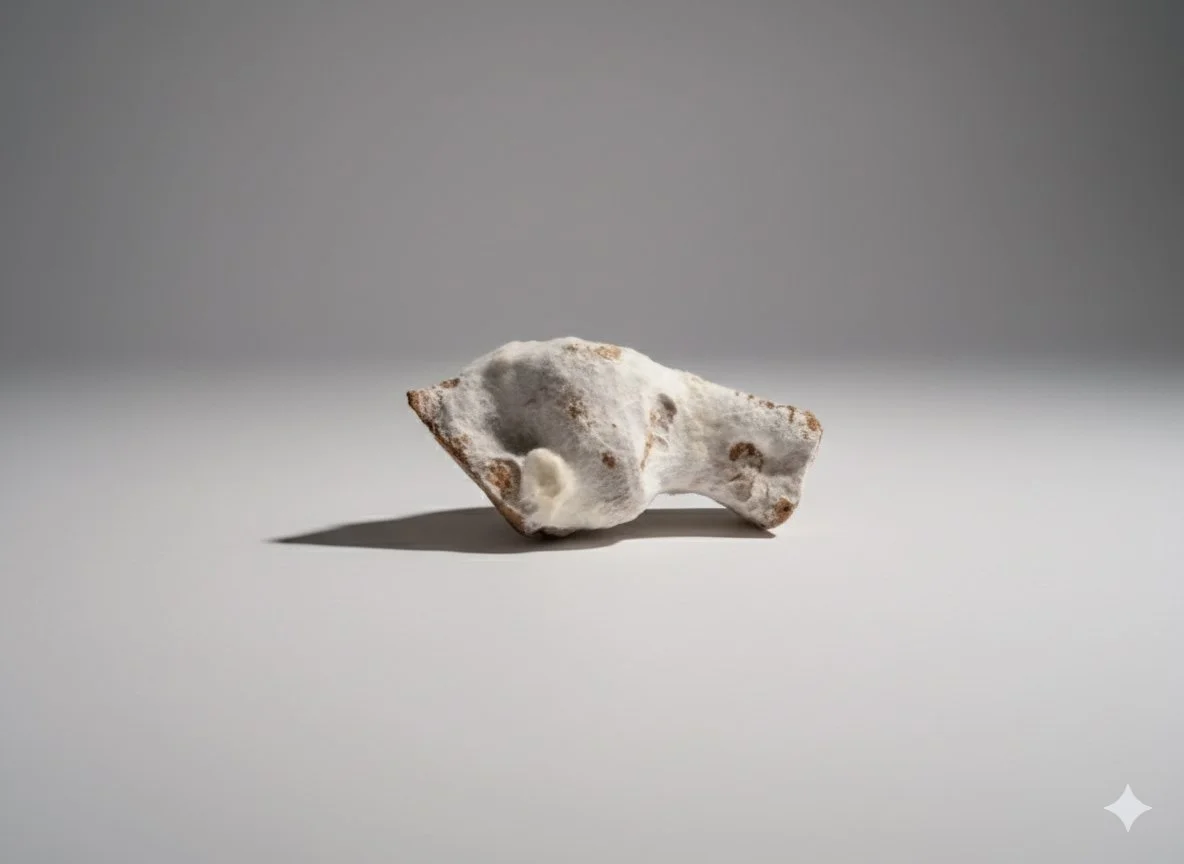
The result was a single successfully colonized printed form, and evidence that additive manufacturing and biological growth can coexist in the same object. Mycos is less a finished product than a feasibility study; a demonstration that this pipeline is viable and worth pursuing. The potential applications in product design and the built environment remain largely unexplored, but I hope to continue to be part of pushing that research forward.