Versa
A modular lighting system that grows and adapts with you
THE PROBLEM
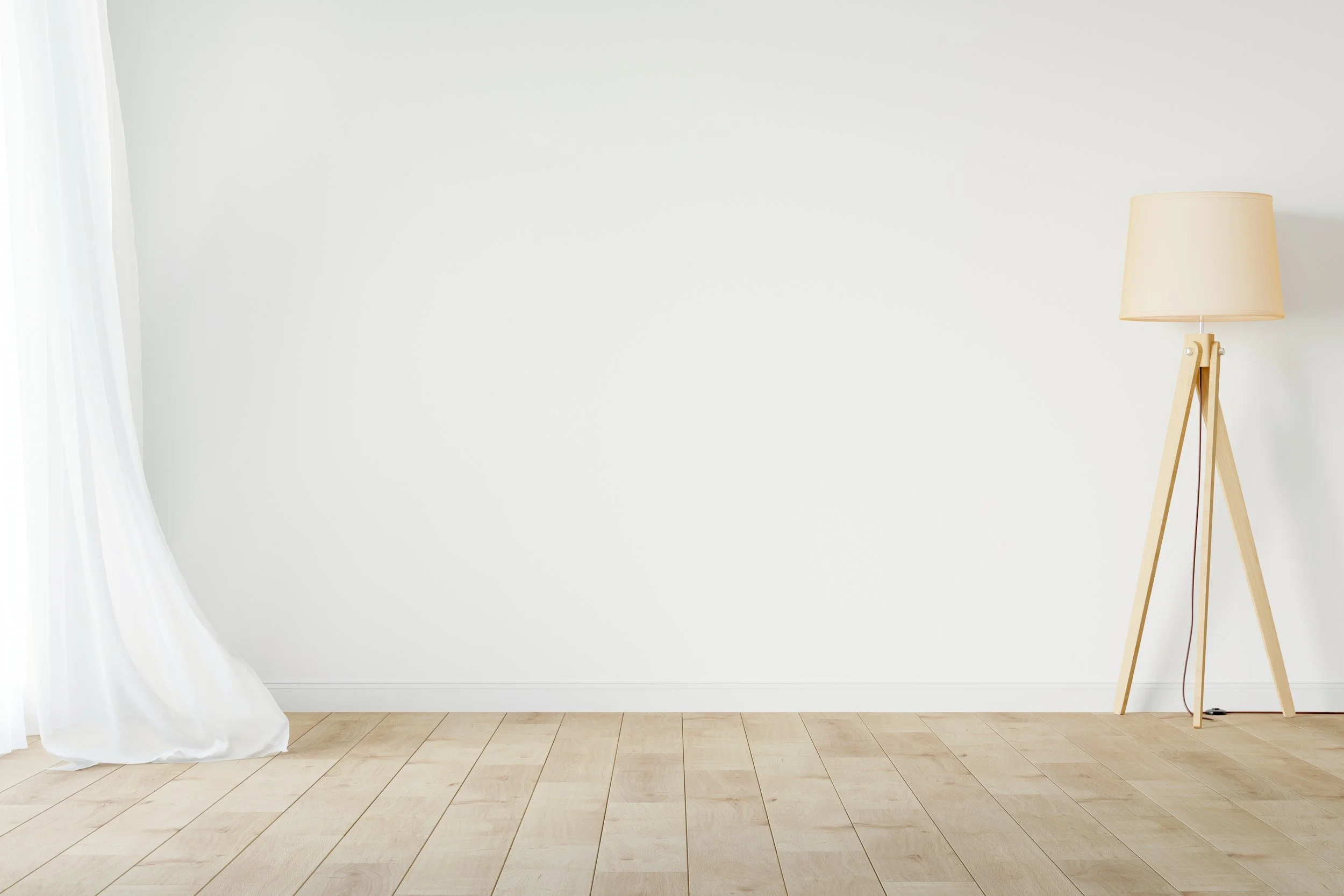
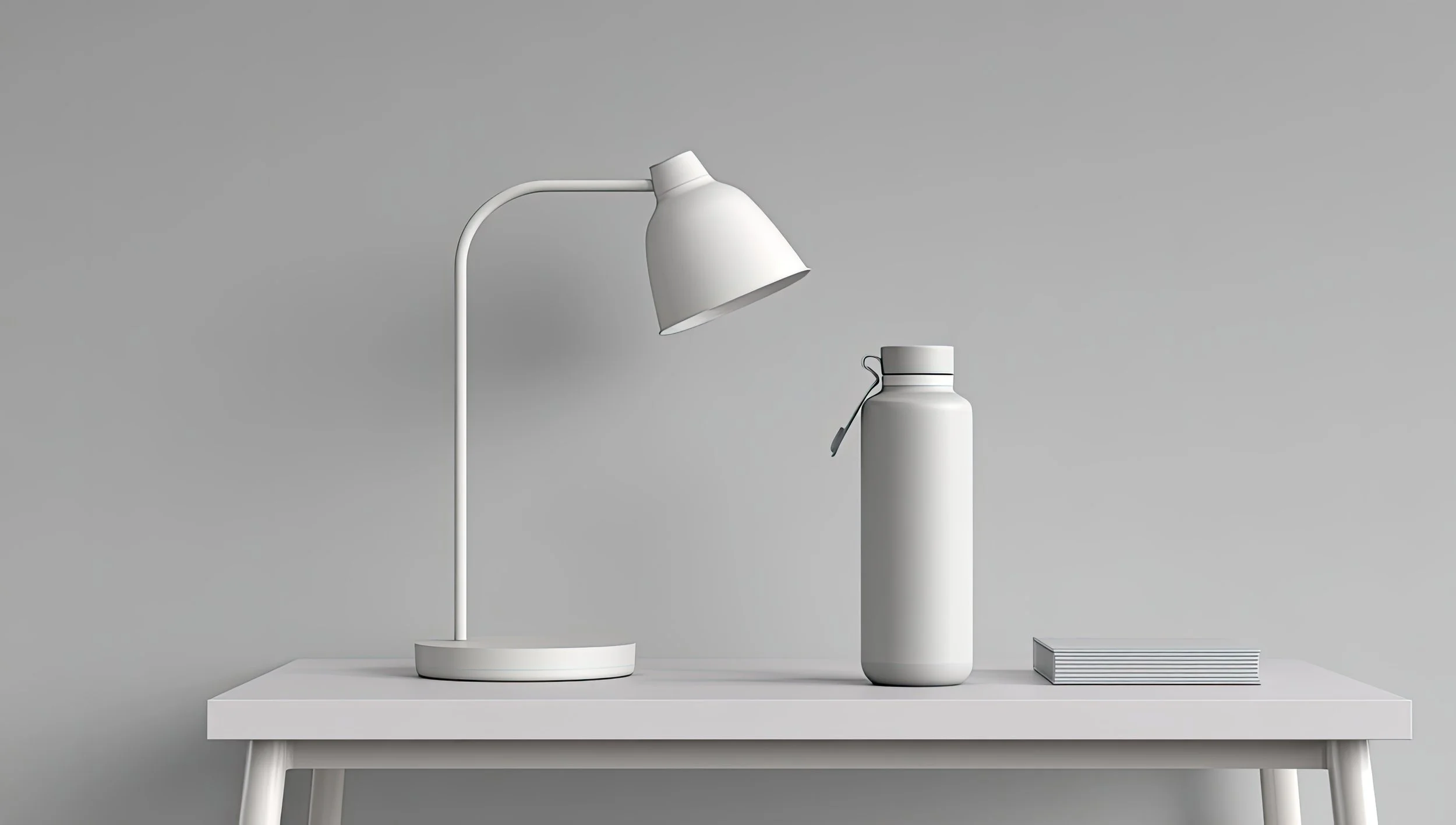
Most lamps are static. Bought for one room, one purpose.
The problem with most lighting is the assumption that the object is done when it leaves the factory. You buy it, place it, and eventually replace it. Versa started with a different assumption: what if a lamp was never really finished? What if it could keep changing as the people living with it change?
THE IDEA
Designing a modular system, rather than a static product.
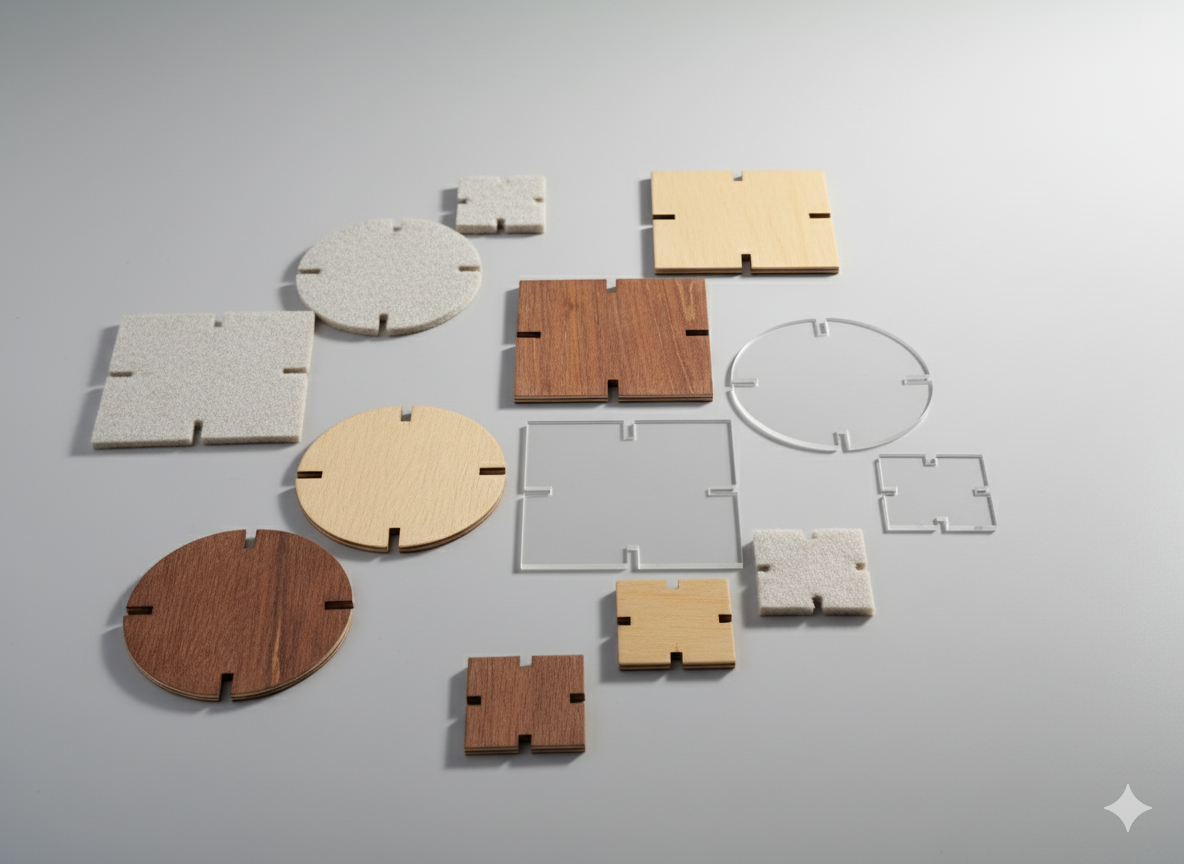
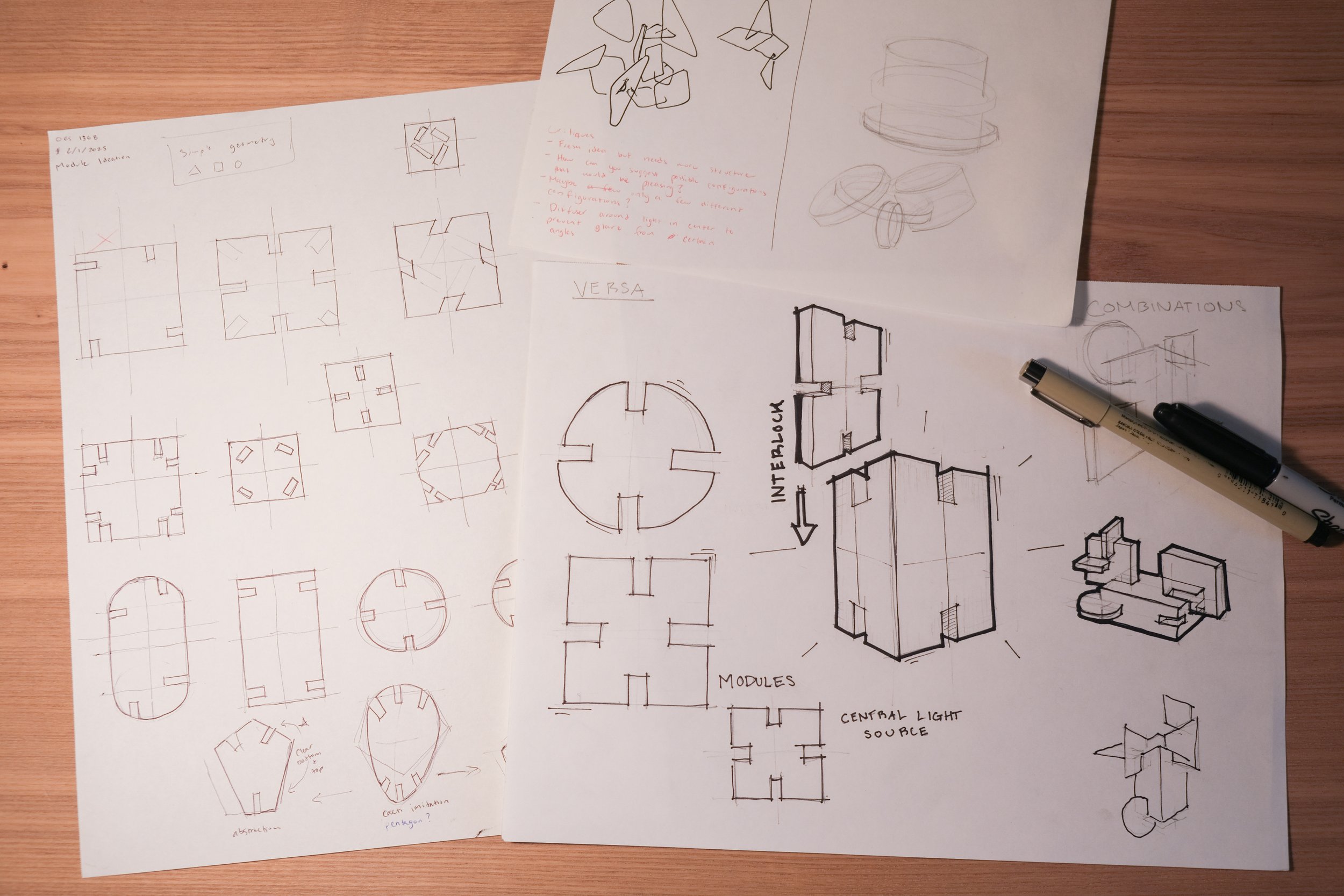
The central proposition was relatively simple. What if you created a set of modular tiles that fit together around a central light source through friction and simple joinery alone, without tools, hardware, or specialized parts. Each tile would be reconfigurable and replaceable. Rather than designing a lamp, the goal was to design the conditions for one, and provide a framework that puts the creative decisions in the hands of whoever is using it.
ITERATION
Refining through play.
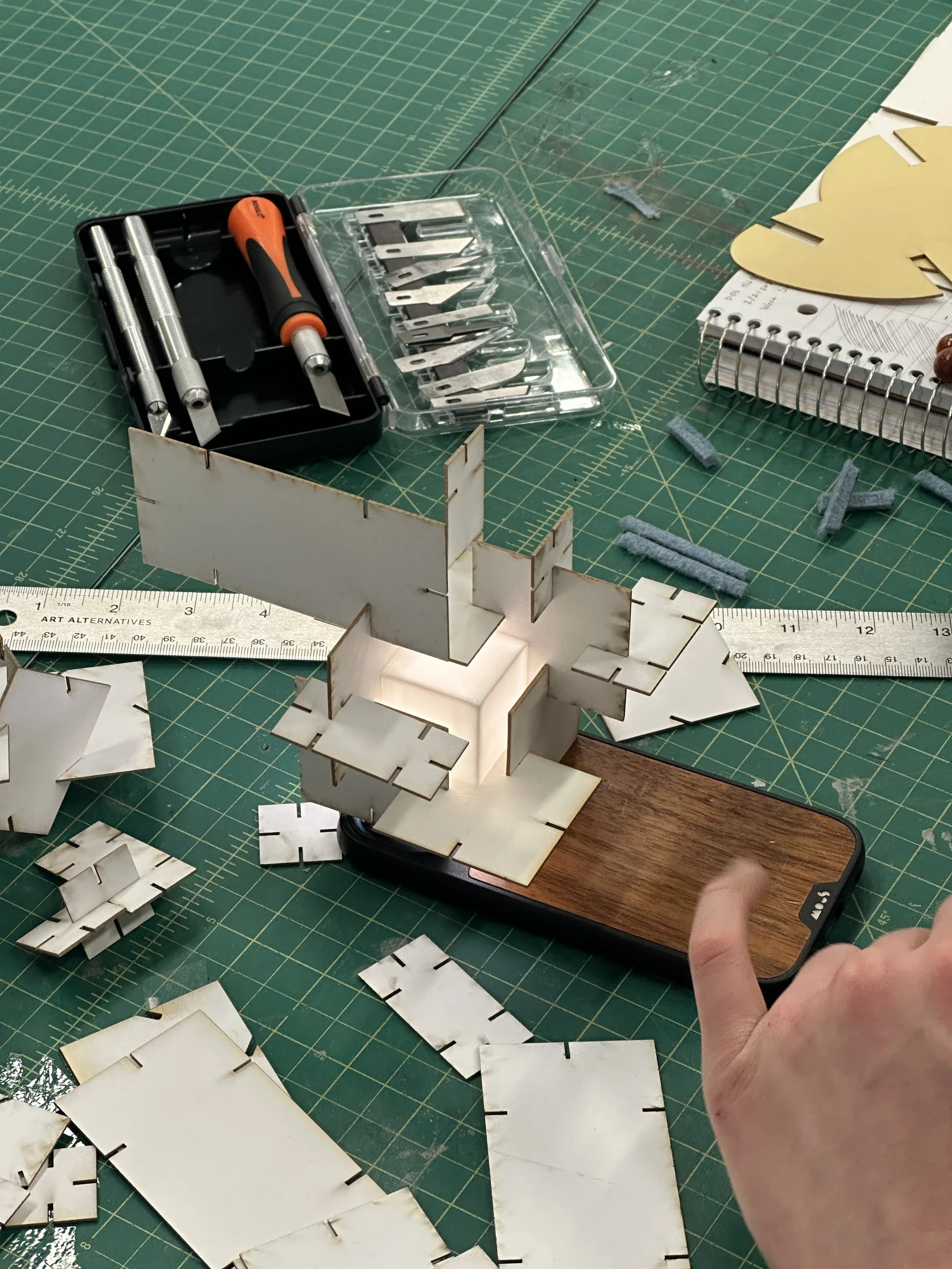
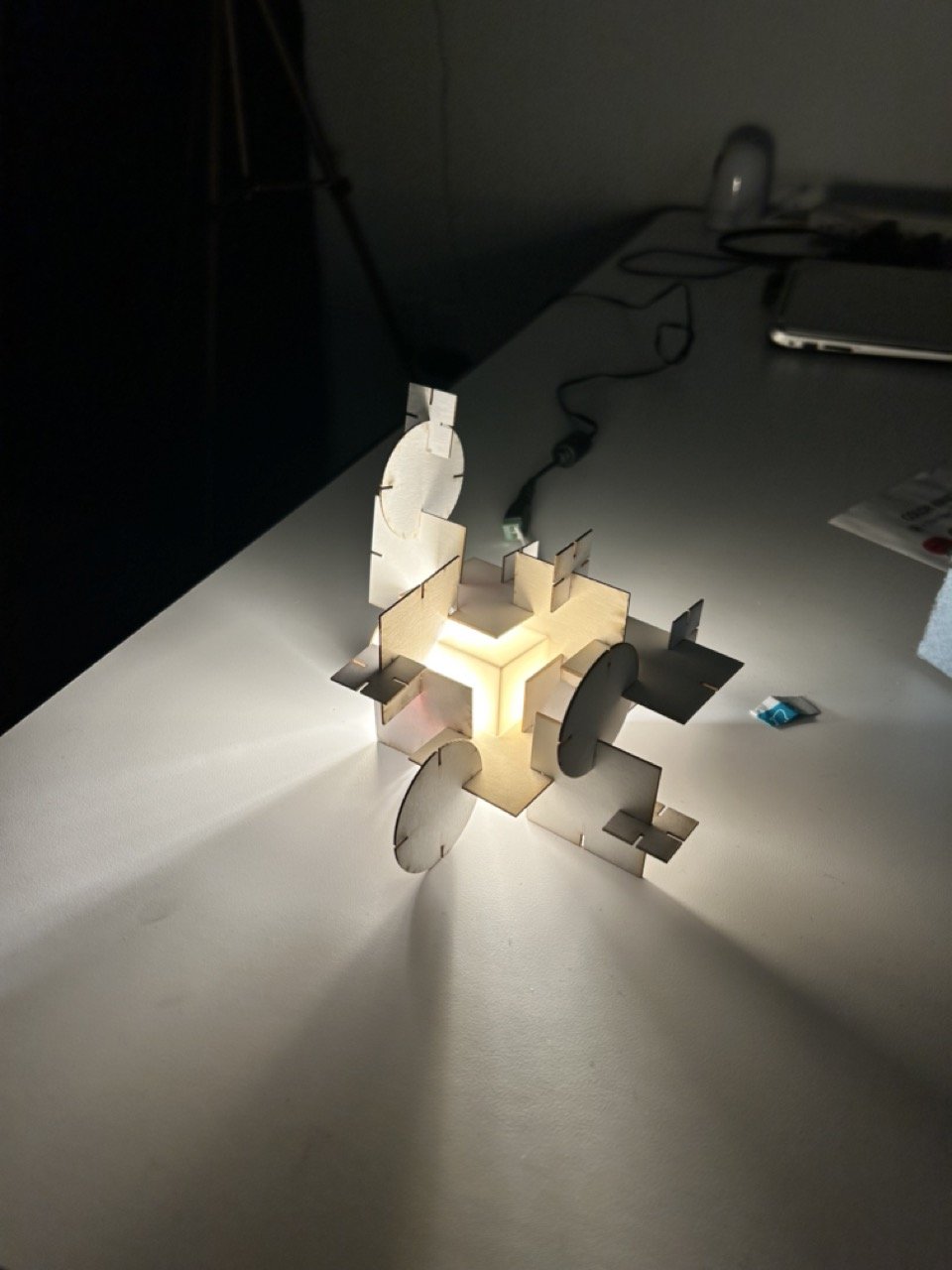
Laser-cut card stock and 3D printed forms made it possible to test configurations quickly and physically, allowing for holding the system, rearranging it, and understanding how different module combinations shaped the light, before committing to materials or scale. Most of the meaningful design decisions were born through hands-on discovery.
THE WORK
The system is just a starting point. What happens next is up to whoever is living with it.
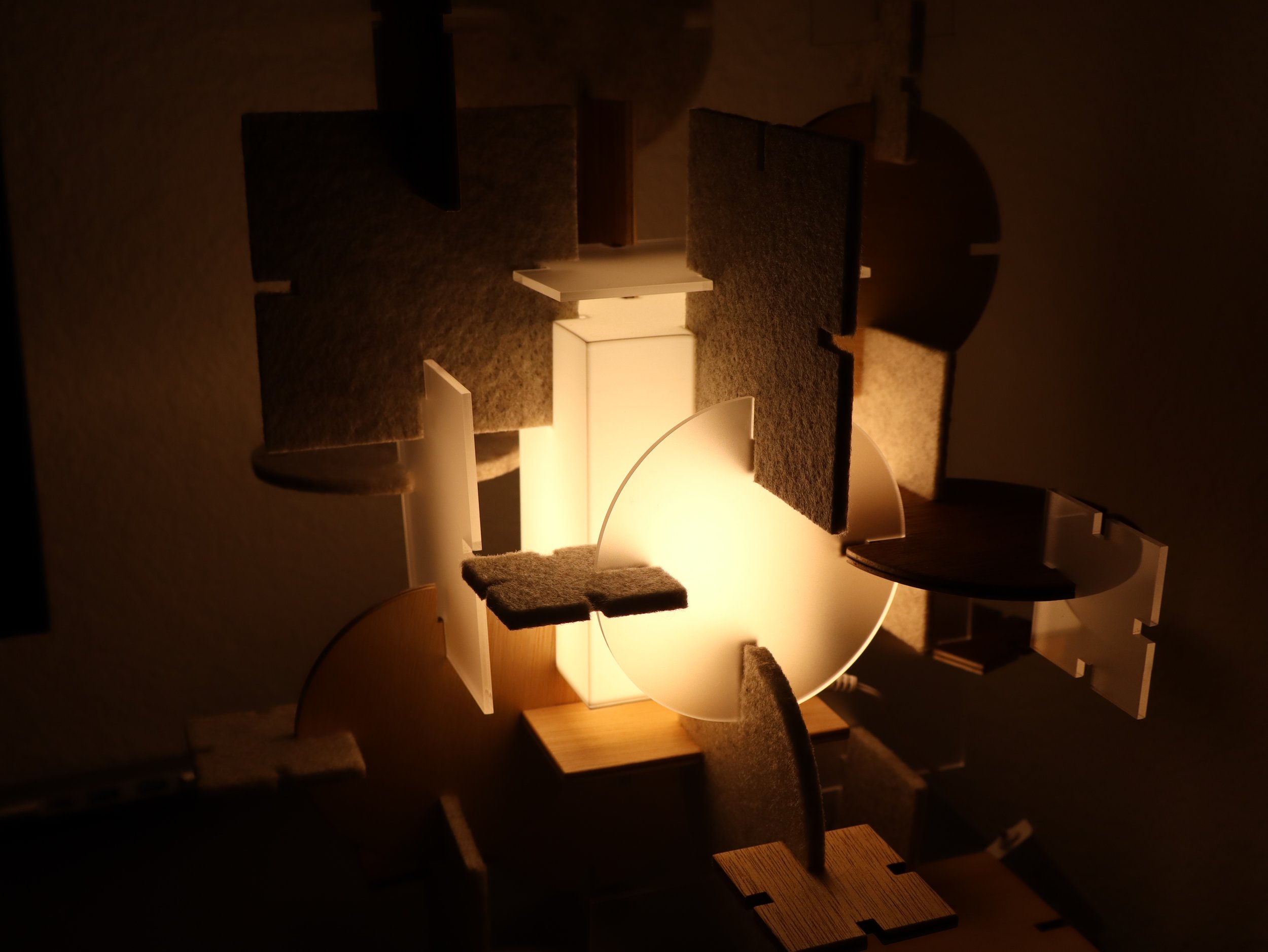
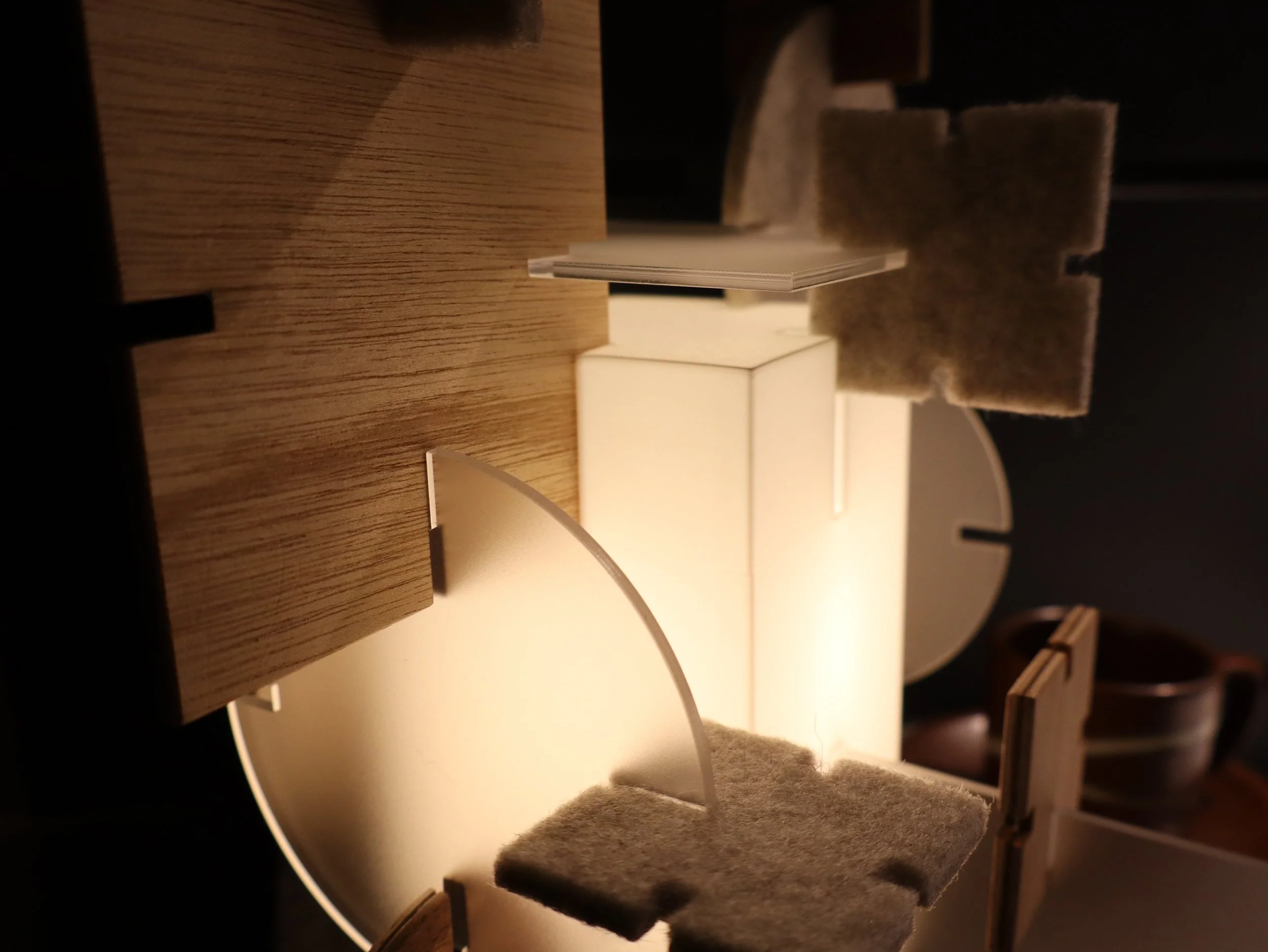
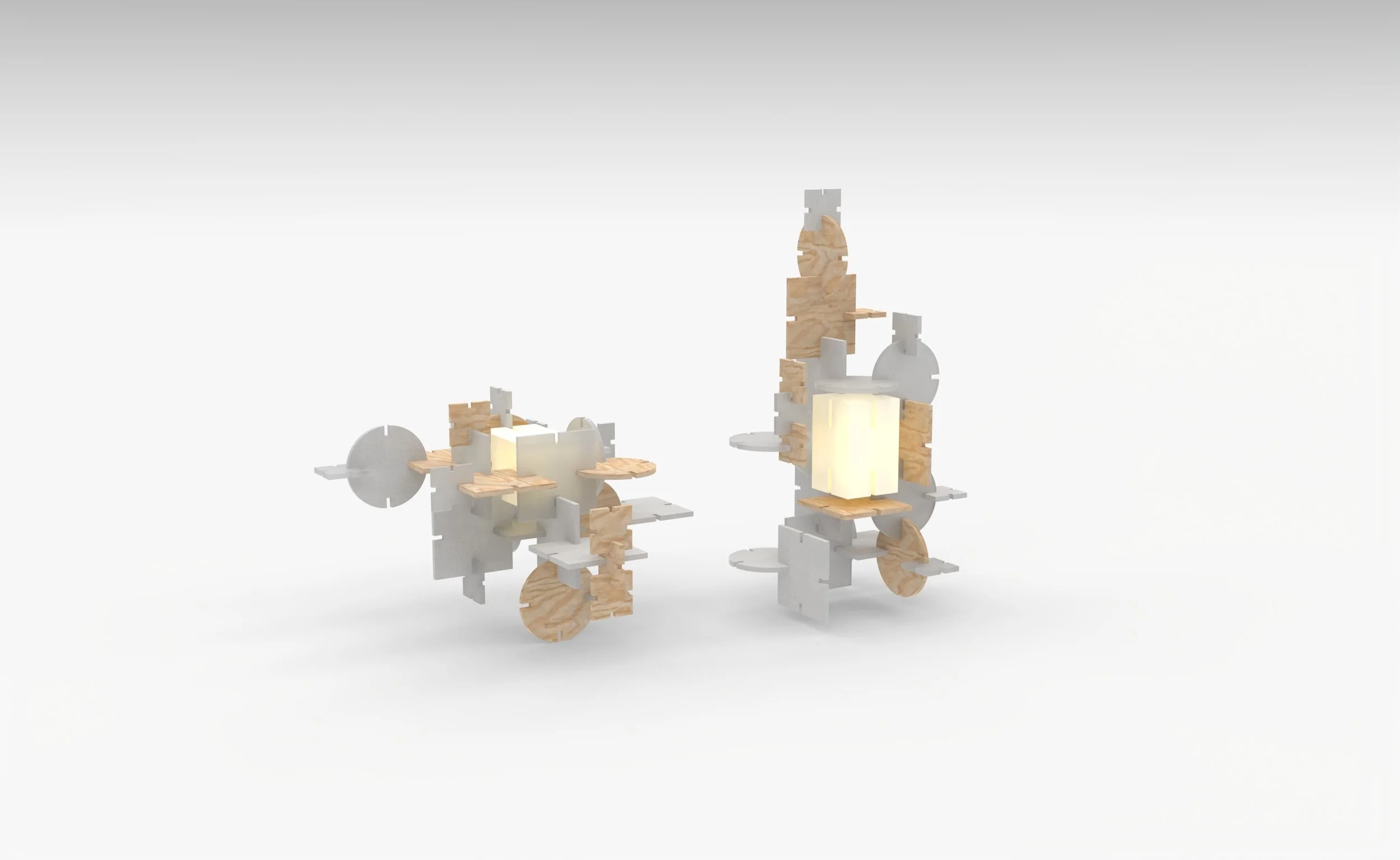
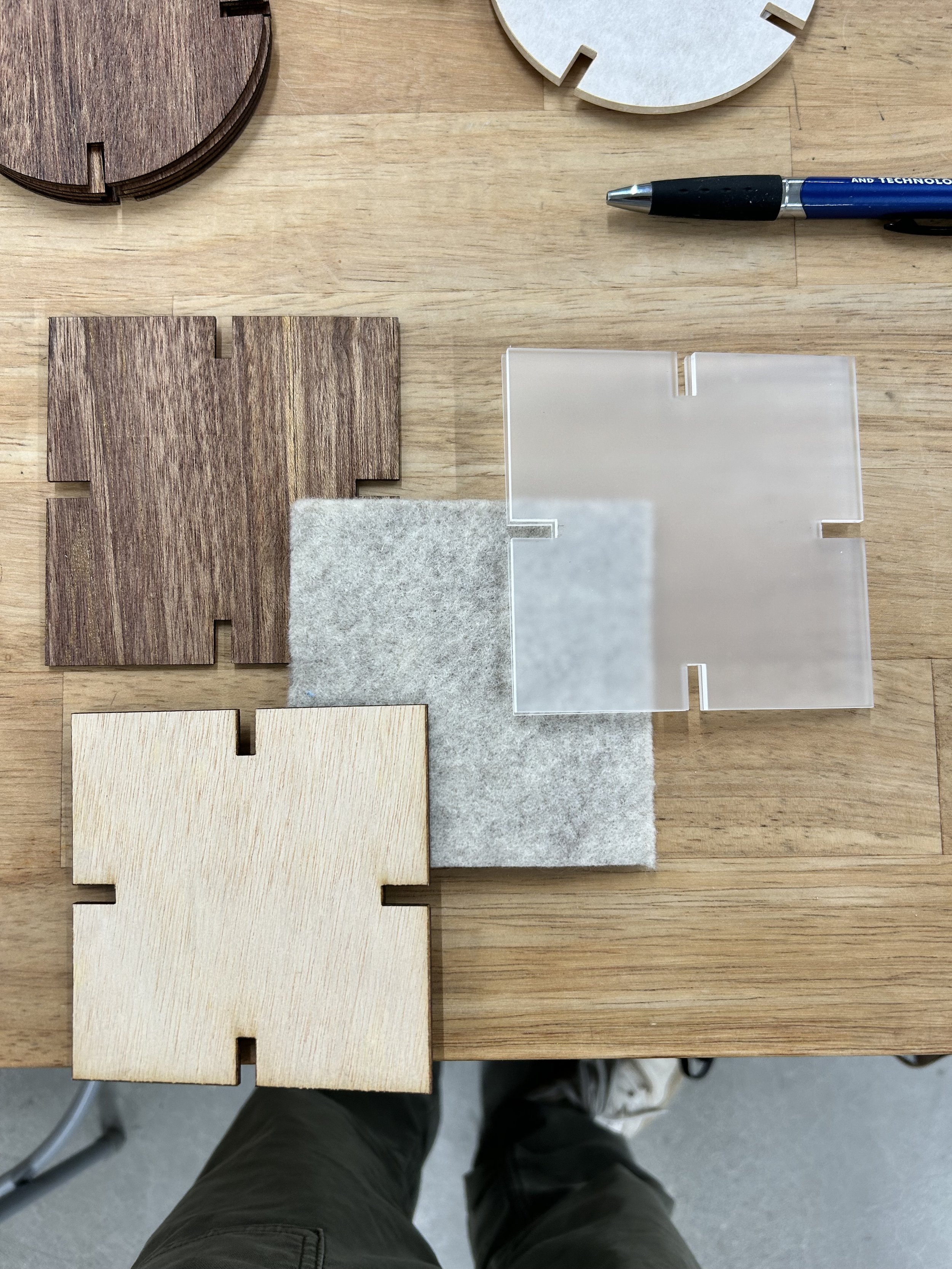
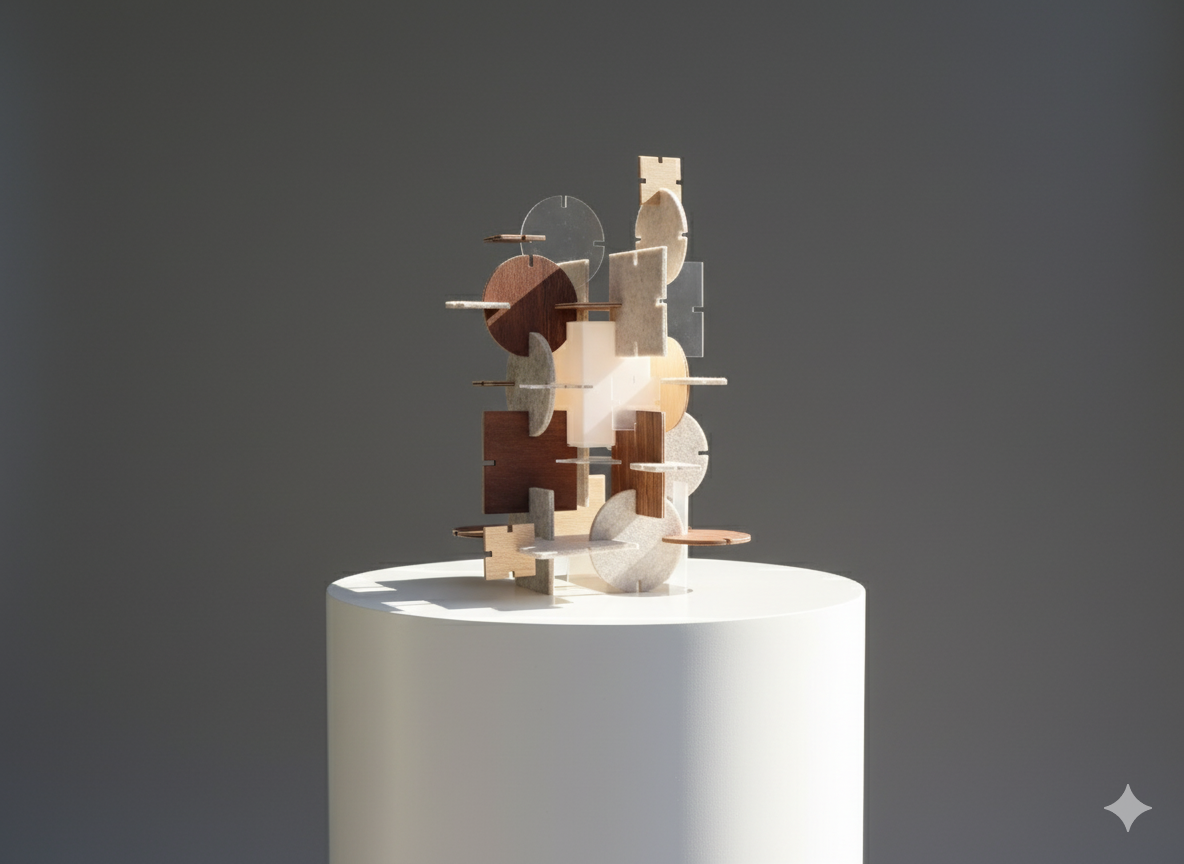
The final system is a set of interlocking tiles in wood, felt, and acrylic that fit together around a central 3D printed diffuser — no tools required. Versa can be taken apart and rearranged in minutes. The object is a starting point, what happens next belongs to whoever is living with it.